
Find Colorado Traffic Court Records Fast
Colorado Traffic Court Records document every traffic violation filed in the state's 64 counties. County Courts handle these cases as part of the Colorado Judicial Branch. You can search traffic cases online through official state portals or third-party services. Each court maintains records of citations, hearings, and judgments. Access helps drivers check their status, pay fines, or prepare for court dates. The records are public under Colorado law.
Colorado Traffic Court Records Quick Facts
Where to Find Colorado Traffic Court Records
County Courts in Colorado keep all traffic court records. These courts are part of the state judicial system. Each of the 64 counties has its own County Court. The Clerk of Court manages the records. You can visit in person during business hours. Most courthouses have public access terminals. Staff can help you locate specific cases.
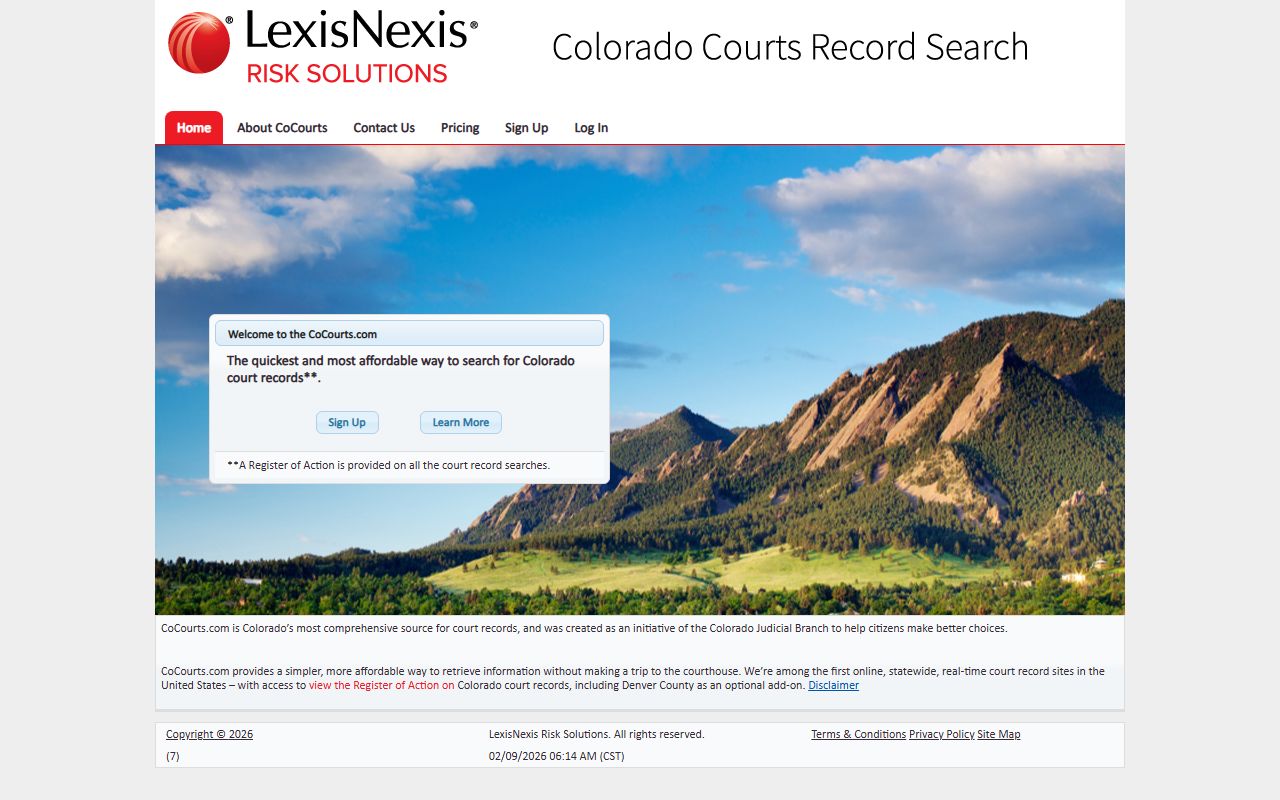
The Colorado Judicial Branch provides online tools. CoCourts.com offers statewide access to traffic case information. This is a third-party service with real-time data. It shows the register of actions for each case. Note that CoCourts.com does not provide actual document copies. You must contact the specific court for copies of tickets or judgments.
You can also request records by mail. Use the Online Records Request Form from the Colorado Judicial Branch. Fill out the form with case details. Include your contact information. Mail it to the court that handled the case. Expect a response within three business days.
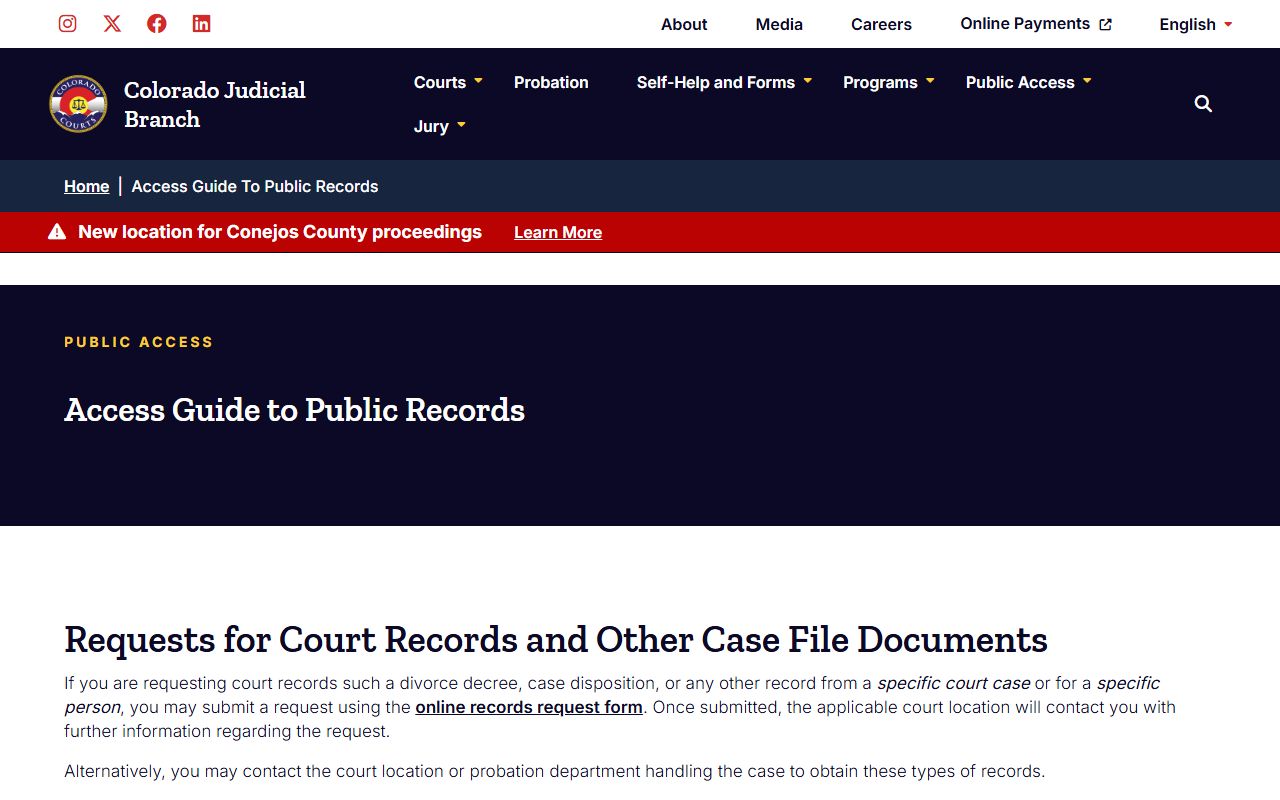
The Public Records Access Guide explains how to obtain traffic court documents in Colorado. It covers fees and procedures. Some records may have restricted access. Juvenile traffic cases have different rules. The guide helps you understand your rights.
How to Search Colorado Traffic Cases Online
Online searches offer the fastest way to find traffic court records. Colorado has several digital options. Each tool serves a different need. You can check case status, view schedules, or pay fines. Most services work on phones and computers. You need basic case information to start.
CoCourts.com is the main portal for traffic case searches. Visit cocourts.com to begin. Enter a name or case number. The system searches all 64 counties. Results show case numbers, filing dates, and court locations. You can view the register of actions. This lists all events in the case history. The service updates in real time. Fees apply for detailed searches.
Individual county courts also have online systems. Many offer case lookup tools. These focus on local traffic violations. You can search by driver license number or citation number. Results include hearing dates and fine amounts. Some systems allow online payments. Check your county court website for access.
The Colorado Judicial Online Payments system lets you pay traffic fines. This is not a records search tool. However, it shows case status during payment. You need your case number or citation number. The system accepts credit cards. Payments post immediately. This clears many violations without a court visit.
To search effectively, gather these details:
- Full legal name of the driver
- Date of birth
- Driver license number
- Citation or case number
- County where the ticket was issued
Note: CoCourts.com shows case information but not actual ticket images or court orders.
Types of Colorado Traffic Court Records
Traffic court records in Colorado include several document types. Each serves a different purpose. Understanding these helps you request the right records. Courts maintain files for years after cases close. Some records are digital. Others remain on paper.
Citation records form the core of traffic cases. An officer files a citation after a traffic stop. This document lists the alleged violation. It shows the date, time, and location. The officer's notes appear here. Citations become part of the official court file.
Court filings include motions and responses. Drivers may contest tickets. They file motions to dismiss or reduce charges. The prosecution responds. Judges issue orders. All these papers become public records. They show how the case proceeded.
Judgment records show the final outcome. This may be a guilty verdict or dismissal. It could be a plea agreement. The judgment states fines and penalties. It lists any points added to the driver's record. License suspensions appear here too.
Colorado Traffic Court Records typically contain:
- Traffic citation details and violation codes
- Court hearing dates and locations
- Judge or magistrate assigned to the case
- Final judgments and sentencing terms
- Payment records and compliance status
- DMV point assessment information
Payment records track fines and fees. Courts log when payments arrive. They note payment plans. Community service hours appear here. These records prove compliance with court orders. They are essential for clearing holds on licenses.
Colorado Traffic Laws and Violations
Colorado law classifies traffic offenses into categories. Each has different penalties. The classification affects your driving record. It determines fines and possible jail time. Understanding these classes helps you respond to citations properly.
Under CRS 42-4-1701, traffic offenses fall into classes. Class A infractions carry DMV points. These include speeding and running red lights. Class B infractions have no points. They are less serious violations. Both classes require payment of fines.
The DMV Point System under CRS 42-2-206 tracks driver behavior. Adults face suspension at 12 points in 12 months. The limit is lower for younger drivers. Points stay on your record for years. Insurance companies check them. Too many points raise your rates.
CRS 42-4-1710 covers failure to pay penalties. Ignoring traffic fines has consequences. Courts may issue warrants. They can suspend your license. Additional fees add up fast. Always address citations promptly. Payment plans may be available.
The Colorado Open Records Act (CORA), CRS 24-72-201 to 206, grants public access to traffic court records. Anyone can request these documents. No reason is required. Agencies must respond within three business days. Some information may be redacted. Personal details like home addresses are protected.
Chief Justice Directive 05-01 governs court records access. It sets fees and procedures. Courts follow this directive statewide. It balances public access with privacy concerns. The directive updates regularly. Check the current version when making requests.
Colorado County Court Locations for Traffic Cases
Each county in Colorado has a County Court. These courts hear traffic cases. Locations vary across the state. Some counties have multiple courthouses. Others share facilities. Knowing where to go saves time. It ensures you file papers correctly.
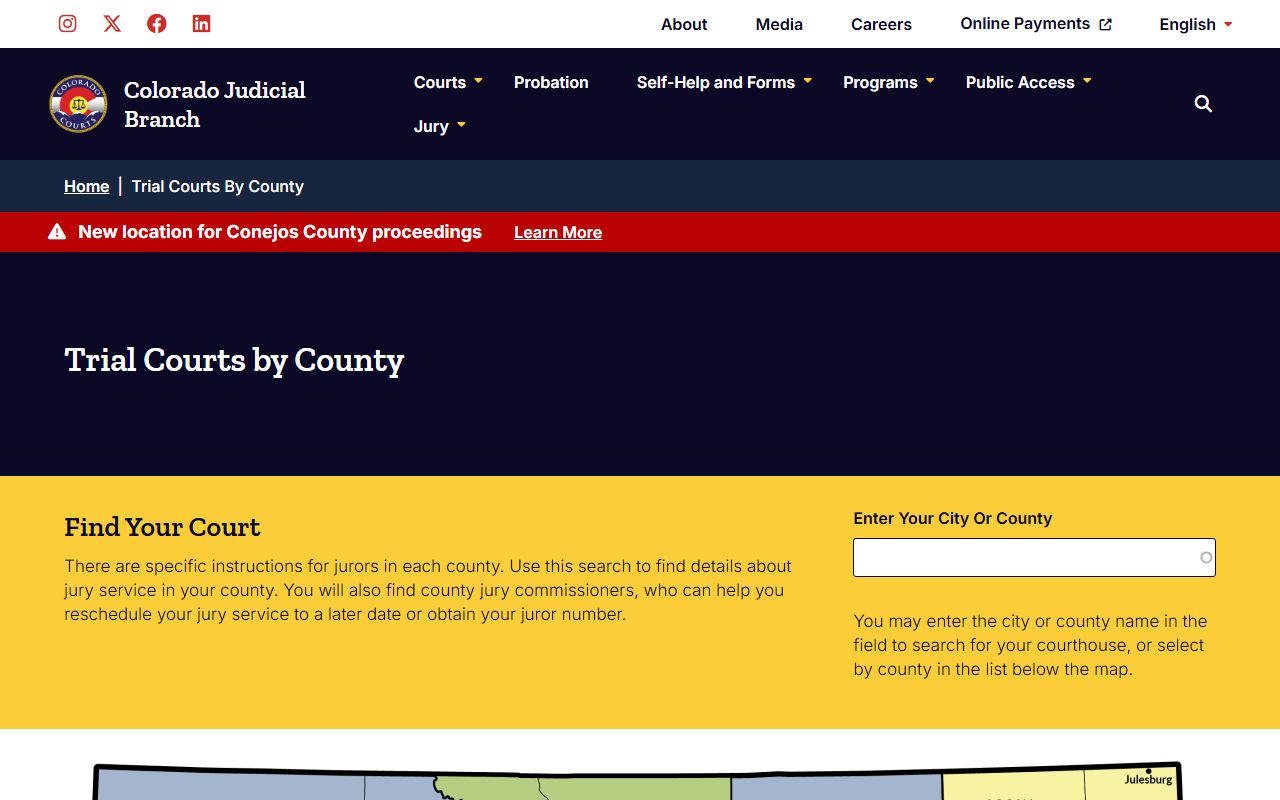
The Trial Courts by County page lists all locations. It provides addresses and phone numbers. Hours of operation appear here. Some courts offer virtual hearings. Others require in-person appearances. Check before you travel.
Major metropolitan areas have larger court systems. Denver County Court handles high volumes. Adams and Arapahoe Counties serve growing populations. Jefferson and Boulder Counties have modern facilities. Rural counties may have limited hours. Plan ahead for remote locations.
Most courts have parking nearby. Public transit serves urban courthouses. Bring identification when visiting. Security screening is standard. Cell phones may have restrictions. Dress appropriately for court appearances. These steps ensure smooth visits.
Traffic Court Record Fees in Colorado
Obtaining traffic court records involves fees. Costs vary by request type. Certified copies cost more than plain ones. Search fees may apply. Payment methods differ by court. Understanding fees helps you budget properly.
Copy fees typically run per page. First pages cost more than additional ones. Certified copies add authentication. This proves the document is official. Expedited service may cost extra. Mail requests include postage fees. Online payments may have service charges.
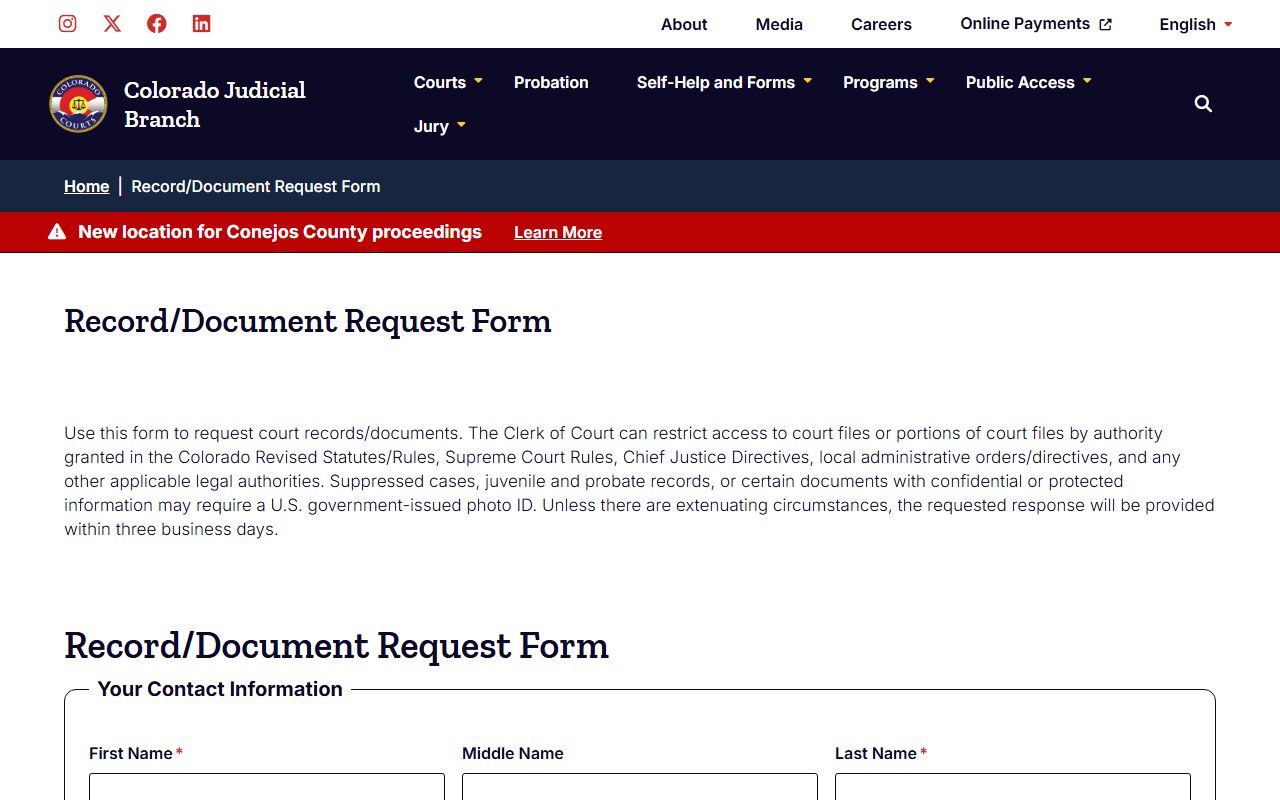
The Online Records Request Form lists current fees. Submit this form for mail requests. Include payment with your request. Checks should be payable to the specific court. Some courts accept credit cards by phone. Cash works for in-person visits only.
Fee waivers exist for qualified applicants. You must show financial hardship. Fill out a fee waiver form. Provide proof of income. The judge decides on approval. Waivers cover copying costs. They do not cover fines or penalties.
Note: Fee schedules change periodically. Contact the court to confirm current rates before submitting payment.
Pay Colorado Traffic Fines Online
Paying traffic fines is now easier than ever. Colorado offers secure online payment. You can settle tickets without visiting court. This saves time and travel. Payments post quickly. Records update within days. Many cases close automatically after payment.
The Colorado Judicial Online Payments portal accepts payments statewide. You need your case number or citation number. Credit and debit cards work. The system sends email confirmations. Keep these for your records. Payments are secure and encrypted.
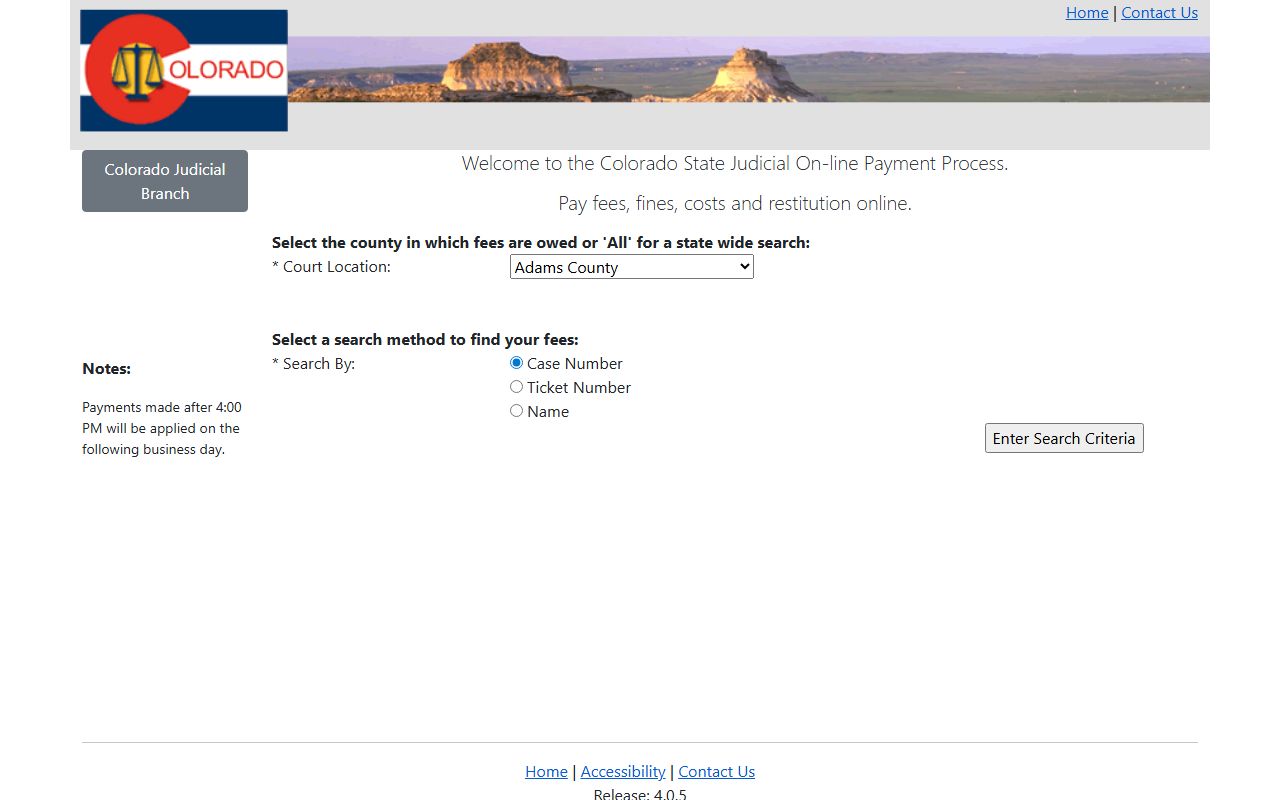
Not all violations qualify for online payment. Serious offenses require court appearances. DUI cases need judges. Suspended license cases are complex. The payment portal will tell you if your case qualifies. Follow the instructions provided. Contact the court if unsure.
Payment plans may be available. You must request these in advance. Judges set the terms. Missed payments have penalties. Warrants may issue for non-payment. Stay current with your obligations. This protects your driving privileges.
Are Colorado Traffic Court Records Public
Yes, traffic court records are public in Colorado. The Colorado Open Records Act guarantees access. Anyone can view these records. You do not need to be involved in the case. No purpose is required. Transparency supports justice.
Courts must provide access upon request. There are time limits for responses. Standard requests take three business days. Complex searches may take longer. Courts can charge for staff time. Reasonable fees apply to extensive requests.
Some information remains private. Home addresses are protected. Social security numbers are redacted. Medical information is confidential. Juvenile records have special rules. These protections balance access with privacy. Courts follow strict guidelines.
Sealed records are not public. Drivers can request sealing in some cases. This requires court approval. Not all cases qualify. Sealing removes records from public view. Law enforcement may still access them. The process involves filing motions.
Browse Colorado Traffic Court Records by County
Colorado has 64 counties with County Courts handling traffic cases. Each county maintains its own records. Select a county below for local traffic court information and resources.
Traffic Court Records in Major Colorado Cities
Colorado's major cities have dedicated traffic court facilities or share county court resources. Choose a city below to learn about traffic court records and services in that area.